

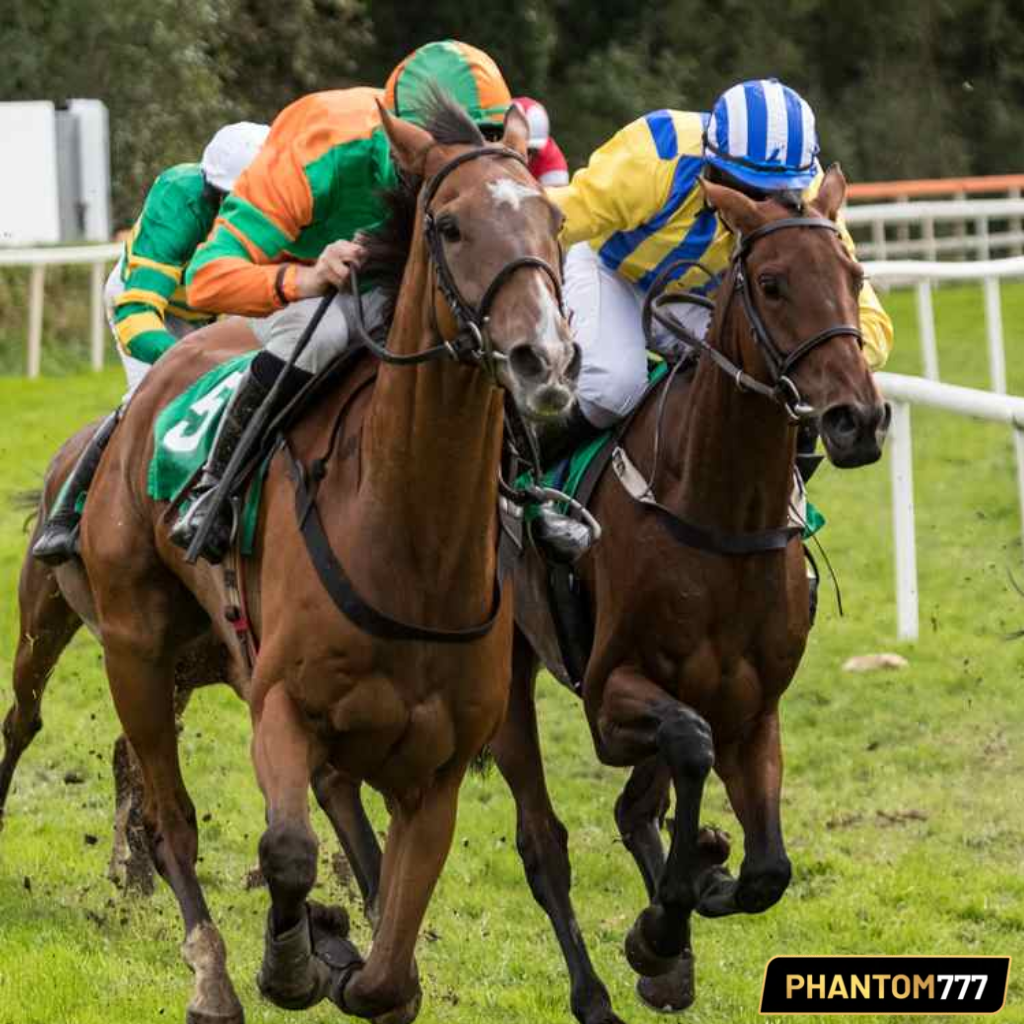
Betting on horse races online is simple to do, but picking winners consistently takes real work. If you only bet on popular names or guess based on lucky numbers, you will likely lose money over time. Successful bettors treat every race like a puzzle. They look at the track, the distance, how the race will be run, and how the horse is feeling. Here is a clear, step-by-step guide to breaking down a horse race before putting your money down.
1. Check the Track and Ground Conditions First
Before looking at the horses, look at the track conditions. The ground—often called the “going”—changes everything.
- Track Surface: Grass tracks (turf) change a lot with the weather. They can be firm and dry, or soft and muddy after rain. Some horses love running on dry, fast ground, while others only perform well when the track is soft and heavy. Artificial tracks (all-weather) and dirt tracks have their own quirks, like kickback hitting the horses behind.
- Race Distance: Make sure the horse has proven it can handle the exact distance. A horse that runs fast in a short sprint might completely run out of energy if the race is even one or two furlongs longer.
- Track Layout: Every racecourse is shaped differently. Tight tracks with sharp turns favor quick, agile front-runners. Big tracks with long, uphill finishes need horses with strong stamina who never give up.
2. Understand Class Levels and Weight
Races are divided into different levels or “classes,” from elite championship races down to everyday beginner events.
- Dropping Down in Class: When a horse has been running against top-tier competition and moves down to face easier horses, pay close attention. Even if its recent results look poor, competing against easier rivals might give it an easy win.
- Weight Carried (Handicap Races): In many races, horses carry different weights in their saddles to level the playing field. Better horses carry more weight. Look for a horse that is carrying less weight than usual, especially if it recently ran well against tougher competition.
- Apprentice Jockeys: Younger or less experienced jockeys get a weight allowance, meaning the horse gets to carry several pounds less. If a talented young rider takes a few pounds off a good horse, that weight reduction can make a real difference at the finish line.
3. Read Past Results the Right Way
Do not just look at the finishing numbers (like 1st, 2nd, or 5th). You need to know the story behind those numbers.
- Look for Excuses: Did the horse get blocked on the rail? Did it get pushed wide around the final turn? Did it start slowly from the gate? A horse that finished 4th with a lot of bad luck might actually be ready to win today under better circumstances.
- Distance Behind the Winner: A horse that finished 3rd by a neck ran a great race. A horse that finished 2nd but was ten lengths behind the winner had an easy second place and was not truly competitive. Always look at the margin of defeat.
- Days Since Last Race: Check how long the horse has rested. Some horses run their best after a nice break, while others need a warm-up race to get their lungs and fitness back up to speed.
4. Picture How the Race Will Be Run
Pace describes how fast the horses go during the first part of the race. Knowing which horse likes to do what helps you predict how the finish will look.
- Front-Runners: These horses want to lead immediately from the start. If there is only one front-runner in the race, it can set an easy, slow pace, save its energy, and sprint away at the end.
- Speed Battles: If three or four horses all want the early lead, they will likely run too fast, tire each other out, and collapse near the end.
- Closers (Hold-Up Horses): These horses sit at the back and relax during the first half. If the leaders go too fast up front, a closer can sweep past everyone in the final stretch to take the win.
5. Pay Attention to the Starting Stall (The Draw)
Where a horse starts in the starting gate matters, especially on tracks with turns.
- Inside Stalls: Starting on the inside rail means the horse runs the shortest possible path around turns.
- Outside Stalls: Starting on the far outside means the horse risks running wide around bends, covering extra ground and wasting energy.
- Straight Tracks: On tracks without turns, weather and grass conditions can make one side of the track much faster than the other. Notice which side winners came from in earlier races that day.
6. Check the Trainer and Jockey
Horses cannot talk, but their trainers and jockeys give you plenty of clues.
- In-Form Trainers: Stables go through hot and cold streaks. If a trainer has won several races over the past two weeks, their entire barn is likely healthy and running well. If a trainer has gone months without a winner, be cautious.
- Jockey Changes: If a top-ranked jockey suddenly takes the ride on a horse that has not done much recently, it is often a sign that the stable expects a much better performance today.
7. Manage Your Money and Find Good Value
Picking the winner is only part of the game. Making money requires finding horses priced higher than their actual chances of winning.
- What is Value? If you think a horse has a strong 50% chance of winning, but the odds are offering a payout that treats it like a longshot, you have found real value.
- Win Bets vs. Each-Way: If you like a horse with shorter odds, a straightforward win bet makes sense. If you find an overlooked runner with higher odds that has a great chance of finishing in the top two or three places, an Each-Way bet gives you insurance and still returns a solid profit.
- Stick to a Budget: Decide on a small, fixed amount to bet on each race—never more than 1% to 2% of the total money you set aside for betting. Never double your bets in frustration to chase back money you lost.