

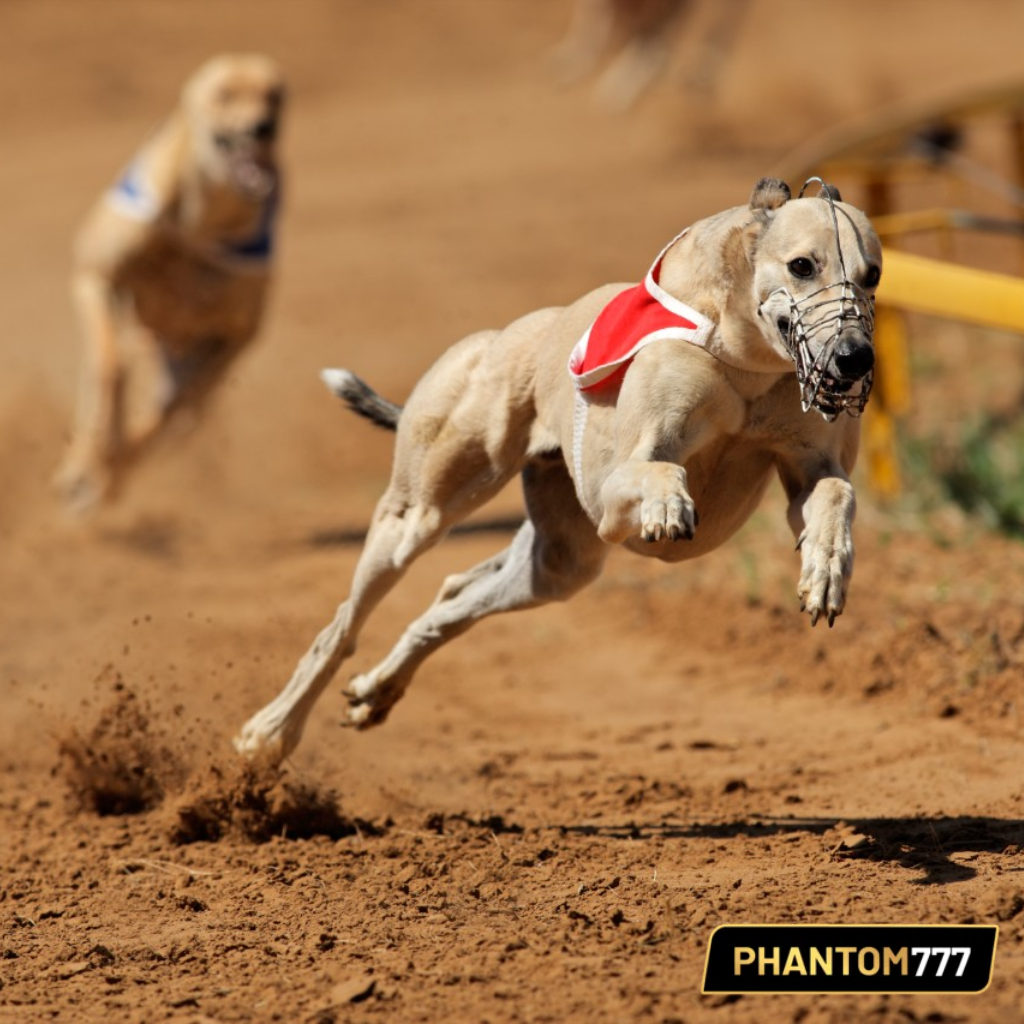
Greyhound racing is a fast-paced sport where every second matters. While many people focus only on the speed of a greyhound, race outcomes are influenced by several factors that work together. A dog’s physical condition, racing experience, track conditions, starting position, and even the competition level can significantly impact the final result. Understanding these factors can help fans analyze races more effectively and make better-informed decisions when studying greyhound betting markets. Although no method can guarantee a winning prediction, learning how different elements affect performance can provide a clearer picture of why some greyhounds perform better than others. Here are the seven major factors that influence greyhound race results.
1. Greyhound’s Speed and Racing Ability
The most important factor in any greyhound race is the dog’s natural speed and racing ability. Greyhounds are known for their explosive acceleration, but not every dog has the same running style, stamina, or finishing strength.
Some greyhounds are fast starters that quickly take the lead from the opening moments, while others perform better when they can settle into the race and use their speed during the final stretch. Understanding a greyhound’s racing style is essential because different tracks and race distances favor different types of runners.
A greyhound’s previous race times are often used to evaluate its ability. Consistent performances over multiple races usually indicate reliability, while unpredictable results may suggest that the dog struggles with certain conditions or competition levels.
Key speed-related factors include:
- Average race time
- Fastest recorded time on a specific track
- Early acceleration
- Finishing speed
- Ability to maintain pace throughout the race
A greyhound with impressive speed statistics still needs the right conditions to perform at its best.
2. Starting Box Position
The starting position, also known as the box draw, plays a major role in greyhound racing results. Unlike many sports, where competitors start from the same position, greyhounds begin from different boxes, and each position can create advantages or disadvantages.
Greyhounds that prefer running close to the rail often perform better from inside boxes because they can take a shorter path around the first turn. However, some dogs naturally move toward the outside, making wider starting positions more suitable.
The first few seconds after the start are extremely important. A greyhound that gets a clean break can gain an early advantage, while a slow start or collision with other dogs can ruin its chances.
Factors related to box position include:
- The greyhound’s preferred running style
- Previous performances from similar boxes
- Crowding risks during the opening section
- Track layout and first-turn position
Experienced bettors often analyze how a greyhound performs from different boxes rather than judging the starting position alone.
3. Track Conditions and Racing Surface
The condition of the racing track can have a significant impact on race results. Greyhounds may perform differently depending on whether the surface is dry, wet, fast, or heavy.
A track that is well-maintained and fast usually allows greyhounds to achieve quicker times. However, rain or moisture can change the surface and affect a dog’s ability to maintain speed and balance.
Some greyhounds adapt quickly to different track conditions, while others perform best only under specific circumstances.
Important track factors include:
- Track surface quality
- Weather conditions
- Recent maintenance work
- Moisture levels
- Track speed ratings
A greyhound that has produced strong results on a particular track may have an advantage over competitors that are unfamiliar with the conditions.
4. Distance and Race Type
Not every greyhound is suited to every race distance. Some dogs are natural sprinters, while others have better endurance and can maintain speed over longer races.
Short-distance races require explosive acceleration and quick reactions, while longer races demand stamina, patience, and the ability to maintain a consistent pace.
For example, a greyhound that dominates short races may struggle when moved to a longer distance because it may use too much energy early. Similarly, an endurance-based runner may not have the early speed required for shorter events.
Common race distances test different abilities:
- Sprint races: Reward fast starts and explosive speed
- Middle-distance races: Require balance between speed and stamina
- Long-distance races: Favor endurance and race management
Analyzing previous performances at the same distance can provide valuable insight into whether a greyhound is likely to perform well.
5. Recent Form and Fitness Level
A greyhound’s recent form is one of the strongest indicators of potential performance. A dog that has been consistently finishing near the top in recent races usually enters competition with confidence and good fitness.
However, looking only at wins can be misleading. A greyhound may have performed well despite finishing second or third if it faced stronger competition or experienced a difficult race.
Recent form analysis should consider:
- Finishing positions in recent races
- Race times compared with competitors
- Quality of opponents faced
- Consistency over recent weeks
- Break between races
Fitness also plays an important role. Greyhounds need proper training, recovery, and preparation to maintain peak performance. A dog returning after a long break may need time to regain race sharpness.
6. Competition Level and Opponent Strength
The quality of opposition can greatly influence race results. A greyhound that wins easily against weaker competitors may face a much tougher challenge when racing against higher-level opponents.
Race analysis should not focus only on previous victories. It is important to consider who the greyhound defeated and how those performances compare with the current field.
A greyhound finishing fourth in a highly competitive race may actually have performed better than a greyhound winning against weaker competition.
Important competition factors include:
- Previous opponents’ quality
- Race class level
- Experience against similar competitors
- Performance under pressure
Understanding the strength of the field helps create a more accurate assessment of each greyhound’s chances.
7. Trainer, Preparation, and Overall Health
Behind every successful greyhound is a skilled trainer who manages preparation, fitness, and race strategy. Training methods, recovery routines, and race scheduling can influence how well a greyhound performs.
A healthy greyhound with proper preparation is more likely to deliver consistent results. Small issues such as injuries, fatigue, or changes in routine can affect speed and confidence.
Trainer performance can also provide valuable information. Some trainers have a strong record of preparing greyhounds for specific tracks or race types.
Factors related to training and health include:
- Trainer experience
- Recent training sessions
- Injury history
- Recovery time
- Race scheduling decisions
A well-prepared greyhound often has an advantage because racing success depends on more than natural ability alone.
Other Factors That Can Affect Greyhound Race Outcomes
While the seven factors above are the most important, several smaller details can also influence results. These include:
Race Traffic and Interference
Greyhound racing involves multiple dogs competing in a limited space. During the first turn, dogs may bump into each other or block another runner’s path. A talented greyhound can lose valuable time because of race interference.
Racing Experience
Experienced greyhounds often handle pressure better than younger dogs. They understand race situations, maintain better positioning, and recover more effectively from difficult starts.
Mental Confidence
Like many competitive animals, greyhounds can perform differently depending on confidence and comfort. A dog that has recently achieved strong results may show improved racing behavior.
How to Analyze Greyhound Races More Effectively
A complete race analysis requires looking at multiple factors together rather than focusing on one statistic. Speed alone does not always determine the winner. A fast greyhound with a poor box position or unfavorable track conditions may struggle against a more consistent competitor.
A practical approach includes:
- Reviewing recent race performances
- Comparing race times with other runners
- Checking box draw history
- Analyzing track and distance records
- Considering trainer and fitness information
- Evaluating the strength of previous competition
This approach provides a more balanced view of each greyhound’s potential performance.
Conclusion
Greyhound race results are influenced by a combination of speed, strategy, preparation, and racing conditions. Factors such as starting position, track surface, distance suitability, recent form, competition strength, and trainer preparation all contribute to the final outcome. For anyone interested in following greyhound racing or analyzing online betting platforms, understanding these elements can make race analysis more enjoyable and informed. While predicting results is never guaranteed, studying these factors helps fans understand why certain greyhounds succeed and how different conditions can change the outcome of a race.