

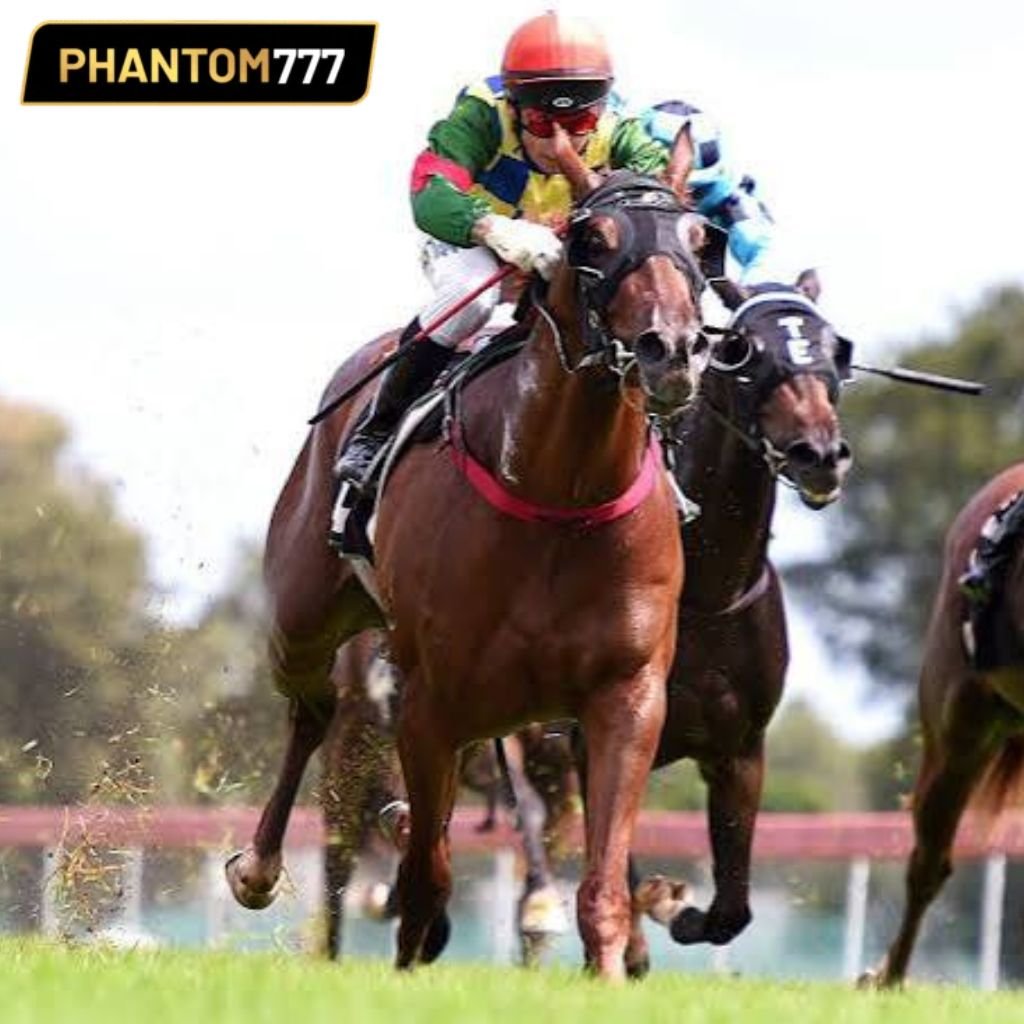
The world of horse racing is one of the oldest, most thrilling sports entertainment traditions globally. For a beginner stepping onto the track or opening a digital sportsbook app for the first time, the energy is undeniable. The thundering hooves, the flashing jockey silks, and the roar of the crowd create a spectacle unlike any other. However, looking at a racecard or a digital betting board can feel incredibly overwhelming. The unique terminology, shifting odds, and multiple pool choices often look like a completely foreign language to someone just starting out. Navigating this space successfully requires moving past pure guesswork and building a firm, structured understanding of how different wagering markets operate. Horse racing relies heavily on a system where understanding your options directly dictates how much value you can extract from a race line. It is not just about picking the prettiest horse or the luckiest number; it is about balancing risk against potential reward. This comprehensive beginner’s blueprint breaks down the basic and advanced layout of horse racing markets, giving you the confidence to manage your selections like a seasoned pro.
The Foundation: Understanding Straight Wagers
For anyone completely new to the track, straight wagers are the absolute best place to start. These markets are incredibly straightforward because they involve placing a bet on a single horse in a single race. Because they carry less mathematical risk than complex combinations, they provide a clean, highly accessible entry point to help you get comfortable with how odds function.
The Win Bet
The most popular and foundational wager in racing is the straight Win bet. The concept is simple: you pick one horse, and that horse must cross the finish line in first place for your ticket to cash. If your selection finishes second by a nose, the bet loses. Because it requires absolute precision, Win bets offer the highest payouts among all straight wagers.
The Place Bet
If you want to build a safer safety net into your strategy, the Place bet is an excellent option. When you place a wager to Place, your horse can finish in either first or second position. Because you are covering two potential outcomes instead of one, your probability of winning increases significantly. The trade-off for this lower risk is that the bookmaker offers lower odds and smaller payouts compared to a straight win.
The Show Bet
Predominantly used in North American racing circles, the Show bet is the safest straight wager available. A Show bet collects a payout if your chosen runner finishes first, second, or third. It is an ideal tool for beginners who want to practice cashing tickets consistently, though the monetary returns are modest because the statistical risk is so heavily minimized.
Across-the-Board Betting
Once you understand Win, Place, and Show, you can combine them into a single specialized ticket known as an “Across-the-Board” wager. This is essentially three separate bets of equal amounts on one horse. If your horse wins the race, you win all three parts of the bet. If it finishes second, you lose the win portion but cash on the place and show lines. If it finishes third, you only collect on the show portion. It is a versatile way to back a high-odds longshot you feel strongly about.
Stepping Up: Single-Race Exotic Markets
Once you have mastered the basics of straight selections, you can explore the exciting world of “Exotic” wagers. Single-race exotics require you to predict the exact finishing order of multiple horses within a single race. Because predicting the precise placement of multiple animals is incredibly difficult, these markets offer significantly higher payouts, turning small stakes into substantial returns if your analysis is correct.
The Exacta and Quinella
An Exacta bet requires you to select the first and second-place finishers in their exact, precise order. For instance, if you bet an Exacta on horse number 3 to win and horse number 5 to come second, they must finish exactly 3-5. If you want more flexibility, you can opt for a Quinella bet, which allows your two chosen horses to finish first and second in any order. Alternatively, you can “Box” an Exacta, which covers both permutations on a single ticket, essentially doubling your stake to protect your position.
The Trifecta and Superfecta
For fans looking for serious multi-horse challenges, the Trifecta ups the ante by requiring you to correctly guess the first, second, and third-place finishers in the exact order. Stepping up even further, the Superfecta demands that you predict the precise top four finishers. While these lines require a massive amount of luck and deep handicapping research to hit, the potential windfalls make them highly popular feature attractions on major race days like the Kentucky Derby.
Exploring Multi-Race Horizons: The Vertical Pools
The second major branch of exotic wagering moves away from a single field to track results across entirely different consecutive races on the track program, often called multi-race or vertical wagers. These pools are incredibly popular among experienced horseplayers because they function like progressive lotteries.
The Daily Double
The most basic multi-race challenge is the Daily Double. This market requires you to pick the winning horse of two consecutive races, typically the very first two events of the afternoon. It provides an excellent stepping stone for beginners to practice multi-race modeling without needing a massive bankroll.
Pick 3, Pick 4, and Beyond
As the names imply, Pick 3, Pick 4, Pick 5, and the legendary Pick 6 markets require you to successfully predict the outright winners of three, four, five, or six consecutive races on a single card. Because a single incorrect race completely eliminates your entire ticket, these pools are incredibly tough to crack. However, because the capital pools accumulate across thousands of players, hitting a deep Pick pool can yield life-changing payouts from minimal initial stakes.
Crucial Handicapping Indicators for Beginners
Succeeding in horse racing markets requires learning how to interpret basic data markers found within the official track program. Before placing your cash down, always cross-reference these three fundamental pillars:
- Past Performance and Class Consistency: Horses are grouped into different competitive classes, ranging from low-tier Claiming races to elite, high-talent Stakes events. Always check if a horse is moving up or down in class level; an animal that struggled against elite stakes talent might completely dominate a lower-tier field.
- Track Surface and Weather Adaptation: Racecourses feature entirely different running surfaces, primarily split between traditional dirt tracks, lush turf grass, or modern all-weather synthetic materials. Some horses possess physical attributes and breeding lines that allow them to fly across dry dirt but completely stall on a wet, muddy surface.
- Paddock Demeanor and Body Language: If you are lucky enough to attend a race track in person, always take a short walk down to the paddock viewing ring before the race begins. Observe the physical composure of the runners. Look for forward-pointing ears, a calm walk, and a bright, focused coat. Signs of excessive heavy sweating or frantic, nervous head movements often indicate that an animal is highly anxious or fatigued before the gates even open.
The Golden Rule: Staking Control and Long-Term Discipline
The absolute most vital component of horse racing analytics has nothing to do with the speed of the horses, but everything to do with your personal financial discipline. Because live animal sports involve dozens of unpredictable human and environmental variables, absolute certainty is a mathematical myth. A sudden bad step out of the starting gate, a crowded lane on the final turn, or an unexpected jockey error can instantly derail even the most flawless data model. Professional handicappers protect their bankrolls by sticking to a rigid flat staking structure, rarely risking more than 2% of their total designated entertainment capital on a single race or exotic combination card. Avoid the emotional trap of trying to chase your losses by irrationally doubling your stakes on later races. Treat your handicapping journey with the patient, calculated mindset of a long-term strategy game, keeping detailed records of your selections to continuously refine your analytical approach over time.
Frequently Asked Questions:
Q1: What is the main difference between pari-mutuel betting and fixed-odds betting?
A1: In fixed-odds betting, the price you lock in when placing your bet is exactly what you get paid if you win. In horse racing’s traditional pari-mutuel system, you are betting into a shared pool with everyone else. The final odds are not determined until the betting windows close, meaning your final payout depends entirely on how many other people backed the same horse.
Q2: What exactly does it mean when a horse is scratched from a race?
A2: A scratch occurs when a horse is officially withdrawn from a race before the gates open, usually due to a minor health concern identified by the track veterinarian or a tactical decision by the trainer. If you placed a straight wager on a horse that gets scratched, your bookmaker will automatically void the bet and return your full stake to your wallet.
Q3: How do I read fractional horse racing odds like 4/1 or 5/2?
A3: Fractional odds represent the ratio of profit relative to your stake. The first number indicates the profit you stand to make, while the second number represents the amount you must wager. For example, a successful £10 bet at 4/1 returns £40 in pure profit plus your original £10 stake back.
Q4: Is it smart for a beginner to start out by boxing exotic wagers?
A4: Boxing bets like an Exacta or Trifecta is an excellent way for beginners to minimize the risk of missing a payout due to a minor ordering mix-up. However, keep in mind that boxing a selection drastically increases the total cost of your ticket because you are paying for every possible numerical combination simultaneously. To gather a visual walkthrough of these structural horse racing concepts, check out Horse Race Betting. This video breakdown provides an excellent companion piece to this guide, explaining how changing odds, track surfaces, and exotic boxing tactics come together in real-time racetrack environments.