

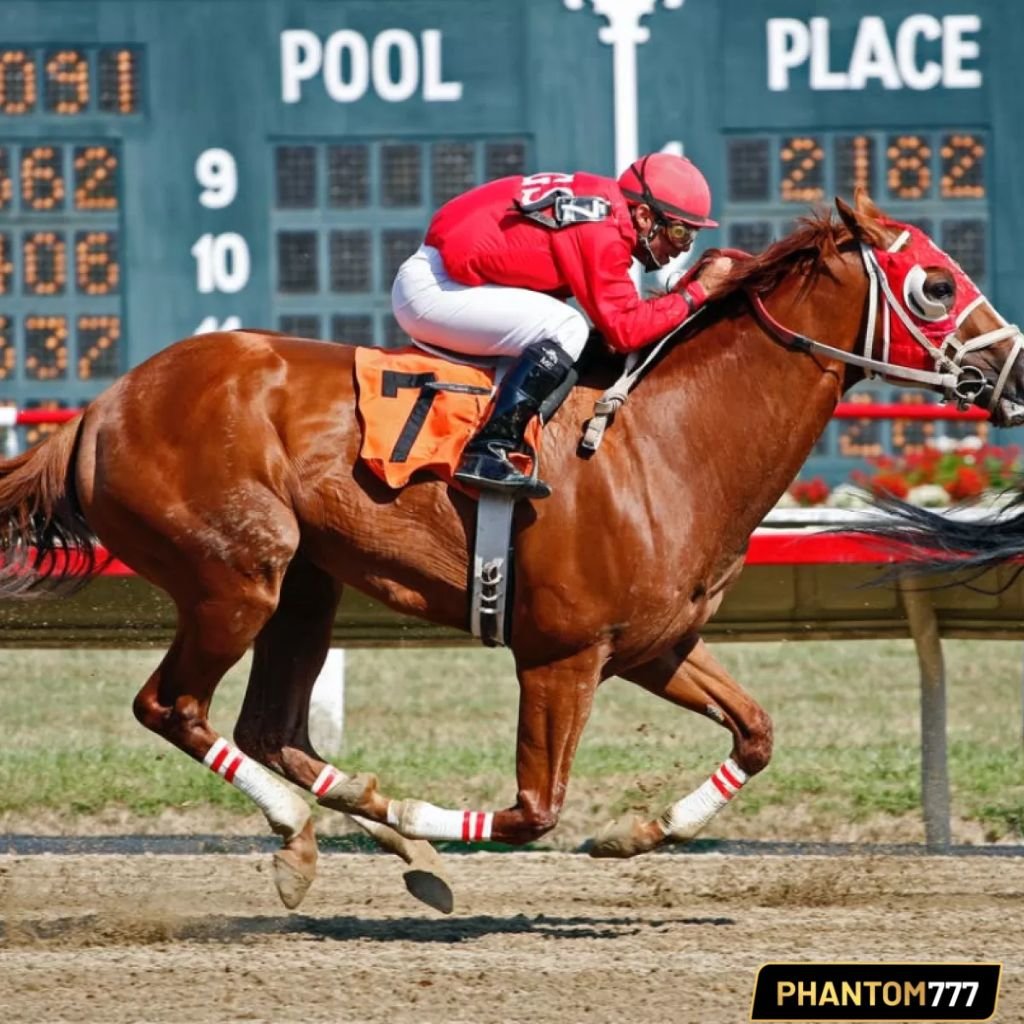
Horse racing is one of the world’s oldest and most enduring athletic disciplines, evolving from ancient chariot exhibitions into a highly sophisticated, multi-billion-dollar global industry. Behind the spectacle of thundering hooves and roaring crowds lies a deeply tactical sport governed by strict regulatory frameworks, precise weight classifications, and nuanced track conditions. Whether you are a casual sports fan or looking to study performance data on digital platforms, understanding the structural mechanics of how horse racing works is essential to decoding the form book.
1. The Core Rules of the Racetrack
At its most fundamental level, the objective of horse racing is simple: a field of horses must cover a designated distance, and the first horse whose nose crosses the finish line wins. However, achieving a fair and safe race requires rigorous enforcement of track rules:
- The Starting Gate (Post Positions): In flat racing, horses are loaded into mechanized individual starting stalls. The post positions are numbered sequentially, with stall number one positioned closest to the inside rail. If a horse breaks through the gate before the starter triggers the mechanism, a “false start” is declared, and the field must be reloaded.
- The Weight Weigh-In: Weight is a critical variable that directly affects a horse’s galloping velocity. Before and immediately after every race, jockeys must undergo an official weigh-out with their saddle equipment to ensure they exactly match the assigned weight requirements for that specific race classification.
- Interference and Stewards’ Inquiries: Jockeys must maintain a straight course as much as possible, especially during the final stretch. If a jockey intentionally cuts across another horse, bumps an opponent, or blocks their path to disrupt momentum, track stewards will launch an official inquiry. This can lead to the offending horse being demoted in the final standings or completely disqualified.
- Photo Finishes and Dead Heats: When multiple horses cross the wire simultaneously, the human eye cannot accurately judge the winner. Track officials deploy ultra-high-speed photo-finish cameras to capture the exact millisecond a horse’s nose touches the vertical plane of the finish line. If the image shows an identical tie down to the pixel, a “dead heat” is officially declared, and the prize purse is split.
2. Major Race Formats and Track Surfaces
A horse’s performance can change dramatically depending on the specific track surface and the distance of the race. Evaluating these formats is a core part of analyzing lines on modern Sports Betting Platforms India has accessible.
Track Surfaces
- Turf (Grass): The traditional standard across Europe, Australia, and India. Turf conditions range from “firm” (dry and fast) to “heavy” or “muddy” (wet and slow).
- Dirt: The dominant surface in North America. Dirt racing is typically faster and favors horses with explosive initial speed, though kickback (flying dirt hitting trailing horses) introduces a tactical obstacle.
- Synthetic (All-Weather): Engineered surfaces made of silica sand, synthetic fibers, and rubber coated with wax (such as Tapeta or Polytrack). These tracks provide uniform cushioning and maintain consistent racing speeds regardless of extreme rainfall or temperature shifts.
Distance Classifications
Distances are measured in miles, meters, or traditional furlongs (one furlong equals one-eighth of a mile, or approximately 201 meters).
- Sprints: Short, explosive races run over 4 to 6.5 furlongs. These are pure tests of raw acceleration and gate speed.
- Routes / Middle-Distance: Run over 7 to 12 furlongs (including the iconic 1.5-mile or 2,400-meter international standards). These require a perfect blend of high cruising speed and tactical pacing.
- Staying Races: Long-distance grinds stretching from 14 furlongs up to 2 miles or more. These favor horses with immense lung capacity and stamina.
3. Understanding the Main Types of Races
Horses do not just run against random opponents; they are strictly grouped into specific competitive tiers to ensure balanced fields. These structural classes can be easily tracked using the metrics provided by the Best online gaming book India offers to fans.
Maiden Races
Every horse starts its career as a “maiden”—a horse that has never won an official race. Maiden races are restricted entirely to these non-winners, giving young or developing horses a balanced environment to secure their first victory.
Claiming Races
In a claiming race, every horse in the field is officially put up for sale for a specified, uniform dollar amount before the gates open. This serves as a natural class equalizer: if a trainer enters an elite horse in a low-level claiming race just to secure an easy win, another stable will simply purchase (or “claim”) the horse for that cheap price.
Allowance Races
Once a horse outgrows maiden and claiming categories, they move into allowance company. In these events, horses carry specific weights based on strict performance criteria (for example, carrying less weight if they haven’t won a race in the last sixty days).
Handicap Races
The most common and competitive format in domestic racing. An official track handicapper analyzes the past performances of every horse in the field and assigns extra lead weights to the superior runners. The explicit goal of a handicap is to theoretically bring all horses across the finish line at the exact same moment, rewarding tactical riding over raw genetic superiority.
Stakes and Graded/Group Races
This is the absolute pinnacle of the sport, where the world’s finest thoroughbreds compete without artificial handicap weights.
- Group / Grade 1: Elite, historic international events like the Prix de l’Arc de Triomphe, the Kentucky Derby, the Indian Derby, and the Dubai World Cup.
- Group / Grade 2 & 3: Premium regional events that offer high prize pools and serve as stepping stones to the top tier.
Summary Performance Matrix
| Race Tier | Primary Eligibility Criteria | Purpose of Format | Risk Level for Owner |
| Maiden | Horses that have never won a professional race. | Introduces young horses to live racing. | Low (Developmental) |
| Claiming | Open to horses offered for a designated sale price. | Group-level equalizer based on asset value. | High (Horse can be purchased) |
| Handicap | Rated horses; weight is adjusted based on ability. | Evens out the playing field for closer finishes. | Medium (Strictly competitive) |
| Graded / Stakes | Elite thoroughbreds meeting specific age/sex criteria. | Identifies champion horses for breeding legacy. | Low (High reward, no sale risk) |
Frequently Asked Questions (FAQs)
Q1: What does “furlong” mean in a horse racing program?
A1: A furlong is a traditional unit of distance measurement equal to one-eighth of a mile, or approximately 201 meters. Sprints are typically contested under 7 furlongs, while route races are run at longer distances.
Q2: How does a handicap race level the playing field?
A2: In a handicap, the official racing secretary assigns extra physical weights (carried in lead pouches inside the saddle) to higher-rated horses based on their past performances. This acts as a stabilizer to give lower-rated horses a fair, competitive chance at winning.
Q3: What is the difference between an objection and an inquiry?
A3: An inquiry is launched directly by the track stewards if they spot potential interference or a foul on live video. An objection is a formal protest lodged immediately after the race by a jockey or trainer against a competitor for a perceived rule violation during the run.
Q4: What are the main track surfaces used in international racing?
A4: The three dominant track surfaces are Turf (natural grass common in Europe and India), Dirt (traditional in the US), and Synthetic All-Weather compounds (engineered tapeta/polytrack designed for optimal drainage and consistent traction).