

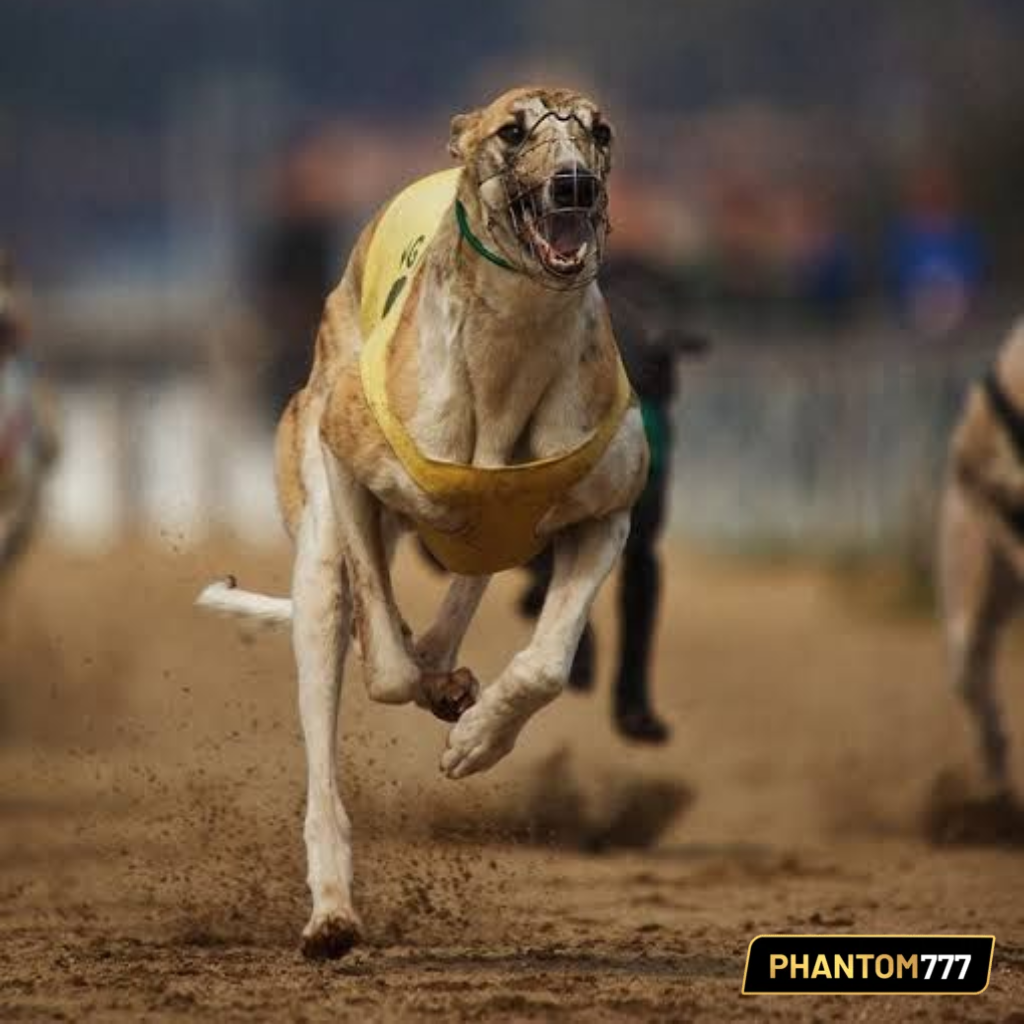
Greyhound racing offers an exhilarating, high-speed spectacle where split-second decisions and raw power define the winner. While many enjoy the thrill of a casual bet, consistent success in greyhound wagering requires moving beyond luck and intuition. To truly improve your win rates and approach this pursuit with the discipline it demands, a systematic approach based on research, analysis, and calculated strategy is essential.
This comprehensive guide delves into the foundational principles and advanced strategies that can help you read the racecard like a professional, manage your bankroll effectively, and make informed betting decisions.
The Foundation: Mastering the Racecard
Before employing any advanced strategies, you must master the fundamental tool of the greyhound bettor: the racecard (or form guide).
1. Understanding Form and Recent Performance
The core of greyhound analysis is form. The racecard details a dog’s past performances, usually listing the last five to ten races. Your initial analysis should focus on consistency: is the dog frequently in the top three, or are its results highly erratic? Focus heavily on their form over the last three races, as this is often the most reliable indicator of current peak fitness and speed. When researching these past performances, you might use an Online Gaming Platform India that provides comprehensive digital form guides and historical data.
2. Trap Draw and Initial Acceleration (Break)
Perhaps more than in any other racing sport, the trap draw is critical in greyhound racing. Some dogs excel from the inner traps (T1 or T2), using the shorter distance on the rails to maintain early momentum. Others, known as ‘wide runners’, thrive in the outer traps (T5 or T6), needing clear space to find their top speed without early crowding.
The decisive moment is often ‘The Break’ the first few seconds after the traps open. A greyhound with exceptional initial acceleration can cross over its competitors and secure a leading position early. Analyze a dog’s ability to ‘break’ from its specific trap to predict if it will face immediate congestion or find clear running room.
Advanced Greyhound Racing Betting Strategies
Once you understand the basic components of the racecard, you can apply specific analytical strategies to identify value.
1. Track and Distance Specialists (Horses for Courses)
Just as in horse racing, different greyhounds are specialized for different track conditions and race distances. A dog may dominate at its home track where it trains regularly but struggle on the slightly wider corners or harder surface of a new venue. Always prioritize dogs with proven ‘course and distance’ (C&D) winning form at that specific stadium and race length.
2. Identifying and Fading the Overbet Favorite
A common pitfall for casual bettors is automatically backing the dog with the shortest odds. Public money often flows toward the most obvious favorite, artificially driving its price down below its actual probability of winning. Your strategy should be to assess if the favorite is truly dominant or ‘overbet’. Is the favorite returning too quickly after its last race? Is it starting from a trap that doesn’t suit its running style? If you can find legitimate reasons to ‘fade’ (bet against) a favorite, significant value is often available on the next strongest dogs.
3. Class Analysis and Upgrades/Downgrades
Greyhound races are often tiered by class or grade, usually A1 (highest) to A10 (lowest). When a dog dominates in a lower grade, it is ‘upgraded’ to a tougher class for its next race. Conversely, a struggling dog may be ‘downgraded’ to face weaker opposition. Analyze these class changes carefully. A dog moving up in class might struggle initially against faster competitors. A dog moving down in class, however, often possesses superior class and speed and should be considered a serious contender, even if its recent form (in the higher class) looks poor. For placing wagers on these nuanced markets, seek out the best betting sites in India that offer extensive greyhound race coverage across various international tracks and classes.
4. Spotlight: Young, Improving Dogs vs. Veterans
Pay close attention to the age of the greyhound. A young dog (18–24 months old) with few races may still be learning and improving. It might show sudden bursts of superior speed that are not fully reflected in its form guide. These improving dogs can offer exceptional value before the odds catch up. In contrast, veteran dogs (3.5+ years old) often lose that top-tier initial acceleration, relying instead on experience and track knowledge.
Bankroll Management and Betting Psychology
No strategy is effective without discipline in your wagering habits. Successful bettors manage their money to weather the inevitable losing streaks.
1. Adhere to a Staking Plan
Establish a dedicated bankroll solely for betting, separate from your essential finances. Your “bankroll” is the total amount you are willing to invest over a season. Within this, you must set a fixed ‘unit’ of stake, typically 1% to 2% of your total bankroll. Never bet more than your designated unit on a single selection, regardless of how ‘guaranteed’ you believe the win is. This discipline protects you from ruin during a run of bad luck.
2. Emotional Control and Data over Instinct
Greyhound racing is fast-paced and high-emotion, which can lead to impulsive, emotional betting. To improve win rates, you must rely on the objective analysis of data rather than hunches or instinct. Resist the urge to ‘chase losses’ with larger bets after a setback. If your research says a dog has only a 20% chance of winning, its odds should be at least 4/1 (5.00) to justify the bet, regardless of how you “feel”. If the odds do not reflect value, the smart decision is to skip the race.