

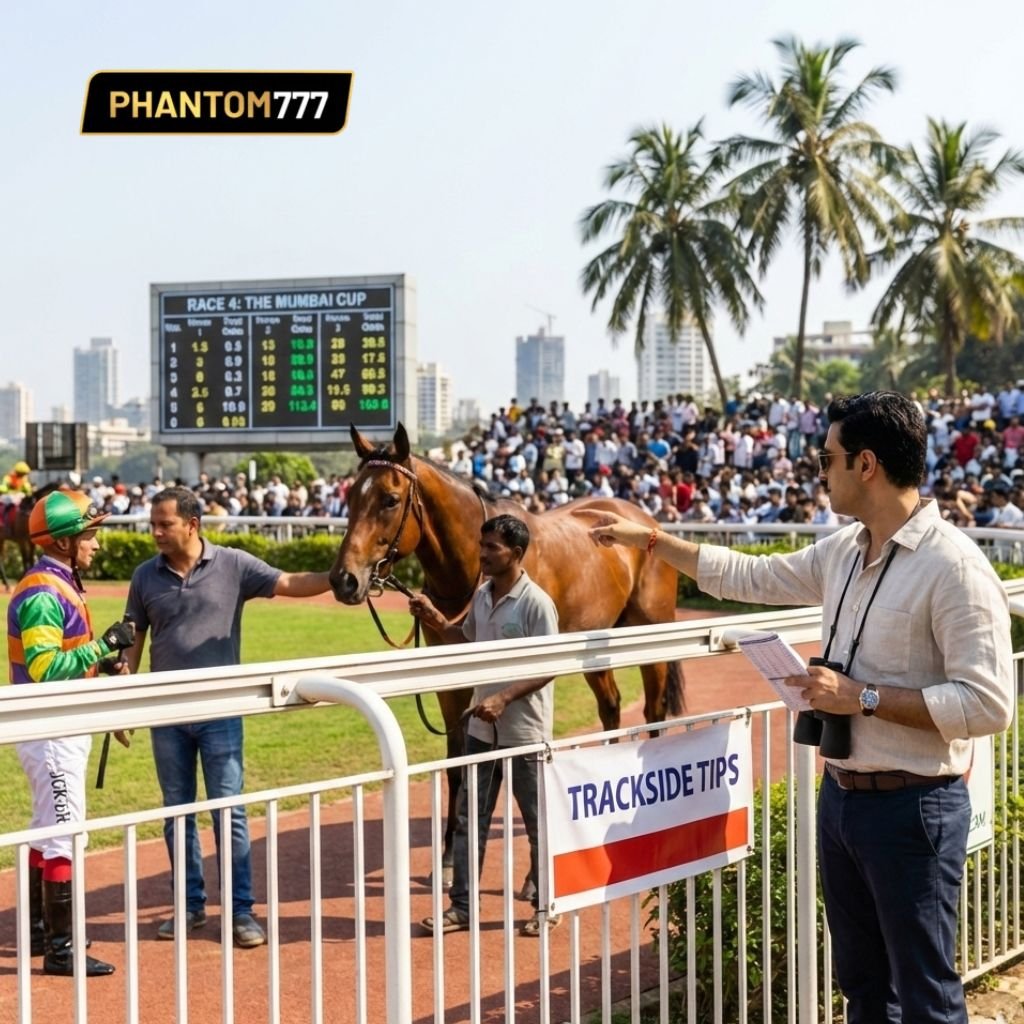
The roar of the crowd at Mumbai’s Mahalaxmi Racecourse is something else, and Bangalore’s turf on a Sunday afternoon is just beautiful. Horse racing in India is more than a sport. It’s an old tradition where style meets the thrill of contest, and if you’re lucky, you might just win big. For those new to the game, the racing form can be confusing with all those numbers. How do you choose a winner? Is it just a chance? It’s not.
Want to switch from guessing to smart investing? Here’s how to understand Indian turf clubs.
1. Know Your Centers (Geography Matters)
Indian racing is seasonal and regional. A horse that wins in Mumbai might struggle in Ooty.
- The Big 5: The main centers are Mumbai, Bangalore, Kolkata, Hyderabad, and Chennai (plus Pune and Mysore).
- The Surface Trap: Mumbai and Pune have relatively flat, fair tracks. Bangalore is tighter with a short straight, favoring horses with a quick burst of speed rather than long-striding gallopers. Always check where the horse last ran. A failure in Bangalore might actually be a good warmup for a win in Mumbai.
2. The Paddock Inspection: The Eye Test.
This is where the pros make their money. Before placing a bet, watch the horses in the paddock (the parade ring). You are looking for:
- The Coat: A healthy horse gleams. If the coat looks dull or sored, the horse might be out of condition.
- The Sweat: A little sweat is fine (it’s hot in India!), but white lather between the back legs often means the horse is nervous or has wasted energy before the race even started.
- The Ears: Pricked ears suggest alertness. Ears pinned back flat against the head often signal anger or stubbornness.
3. Decode the Class System
Indian racing relies heavily on a handicap system based on classes (usually Class V up to Class I).
- The Golden Rule: Look for a horse “dropping in class.” If a horse is finishing 4th or 5th in a tough Class II race and is now running in a weaker Class III race, they are often the one to beat. They are used to a faster pace and tougher competition.
4. The Jockey-Trainer Combination
In India, stable connections are massive. Certain trainers only use specific jockeys when they really intend to win.
- Watch the patterns: Does a top trainer (like Pesi Shroff or Malesh Narredu) put a rookie apprentice on a favorite? That might be a sign they are just giving the horse a run. But if they put a top jockey (like P. Trevor or Suraj Narredu) on a horse that hasn’t run in months, take notice. They mean business.
5. Pedigree: The Got Abroad Factor
Indian breeding has improved, but Got Abroad horses (horses bred overseas but raced in India) or those with strong imported sires often have a stamina advantage in longer races (1600 m and above). In sprints (1000m – 1200m), look for sturdy, muscular local breeds that can explode out of the gates.
6. Managing Your Money (The Boring Truth)
You will not win every race. The biggest mistake beginners make is the Recovery Bet betting huge on the last race of the day to win back earlier losses.
- The Strategy: Stick to Win and Place bets. Exotic bets like the Jackpot or Treble offer huge payouts but are incredibly hard to hit. A consistent profit comes from backing solid horses to Place (finish in the top 3).
Final Thought: Listen to the Market
Keep an eye on the tote board in the last five minutes leading up to a race. If a horse’s odds drop fast, like from 10/1 to 4/1, and you don’t know why, chances are there’s smart money on it. In Indian racing, where knowing people matters, betting on horses with late money coming in can be a good way to win.