

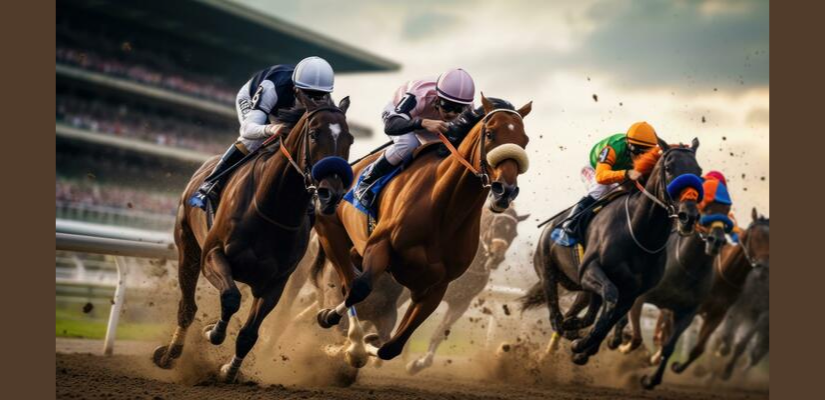
Horse racing is all about that rush the thundering hooves, the excitement of the crowd, and the energy of everything moving so fast! But beyond the thrill, many players get hooked on horse racing betting because of the challenge of figuring out which horse will win before the race even begins.
Yes, a little bit of chance is essential, but if you’re serious about winning money, guesswork isn’t enough. Analysing previous races, examining statistics, and making informed selections are all necessary for winning at betting. To increase their chances, wise gamblers constantly look for reliable advice.
If you’re new to Indian horse racing or just want to get better at online or in-person bets, these tricks can help you bet smarter. Don’t just bet on the horse with a funny name; go for the ones that actually have a shot, based on facts and how they’ve done before.
Here are seven tips from experts to help you win more and have fun betting without going overboard.
Master the Art of Reading the Form Guide
The form guide is your most powerful tool. It’s the horse’s CV, detailing its recent performance history. At first, it might look like a jumble of numbers and abbreviations, but understanding it is crucial.
- What to Look For:
- Recent Finishes: Look at the numbers next to the horse’s name, which represent its finishing positions in recent races (e.g., 1, 2, 3). Consistent top-three finishes are a strong positive sign. A horse that hasn’t finished near the front in its last several races is likely a risky bet.
- Course and Distance (C&D) Record: Check if the horse has won or performed well at this specific racecourse and over this specific distance before. A horse that is a “C&D winner” has already proven it can handle the conditions.
- Last Race Details: Note the date of its last race. A horse that raced recently (within the last 2-4 weeks) is likely race-fit. A long layoff could mean it’s not at its peak.
Expert Advice: Don’t just look at wins. A horse that consistently finishes second or third against tough competition might be ready to win a slightly easier race.
Don’t Underestimate the Jockey and Trainer
A horse is an incredible athlete, but it’s part of a team. The jockey and trainer are just as important as the horse itself.
- The Jockey: A top jockey can be the difference between winning and losing. They make split-second strategic decisions, know how to position the horse, and can get the best out of their mount in the final stretch.
- The Trainer: The trainer is responsible for the horse’s fitness, health, and overall preparation. A trainer on a “hot streak” with several recent wins is a great sign that their entire stable is in top form.
Expert Advice: Before placing a bet, check the jockey and trainer standings for the current race meeting. A horse ridden by a leading jockey and prepared by a successful trainer is a powerful combination that often justifies a bet.
Analyze the Horse’s Physical Condition (Paddock Watching)
If you’re at the racetrack, you have a unique advantage: you can see the horses in the paddock (the parade ring) before the race. A horse’s physical appearance and demeanor can reveal a lot about its readiness.
- Signs of a Healthy, Ready Horse:
- A sleek, shiny coat.
- Alert, pricked ears, showing focus.
- A confident, athletic walk.
- Light muscle definition.
- Warning Signs:
- A dull, patchy coat.
- Excessive sweating or visible nervousness (can mean it’s wasting energy before the race).
- A sluggish or agitated demeanor.
Expert Advice: A calm, composed, and fit-looking horse is often primed for a top performance. This visual check can be the final piece of the puzzle that confirms your decision.
Consider the ‘Class’ of the Race and Horse
In horse racing, class just means how tough the competition is. A horse that’s great in smaller races might not do so well when it goes up against better horses. On the flip side, a magnificent horse that’s used to racing against the best will probably find an easier race a piece of cake.
Here’s a tip: Keep an eye out for horses that are moving to easier races. If a horse has been doing okay against tough competition and is now in a less critical race, it might win. It’s a pretty standard and good way to pick a winner.
Pay Attention to the Track Conditions and Distance
Not all horses are the same. They have distinct preferences for the surface they run on and the distance of the race.
- Track Conditions: The state of the turf or dirt is critical. It can be Firm, Good, Soft, or Heavy, depending on the amount of moisture. Some horses, known as “mudlarks,” excel on wet, heavy tracks, while others need a firm, fast surface to perform their best.
- Distance: Horses are bred for speed or stamina. A sprinter might be unbeatable over 1200 meters but will fade in a 2000-meter race. A stayer has the stamina for long distances but lacks the explosive speed for a short dash.
Expert Advice: Always check the official track condition. Then, look at the horse’s form guide to see how it has performed on similar ground in the past. Ensure the horse has a proven record at today’s race distance.
Look Beyond the Favorite
The horse with the best chance of winning usually has the lowest odds. But stats show these favourites only win about 30-35% of races. So, betting only on them will probably result in losing your $ in the end. The real trick is to find good bets.
A good bet is when a horse’s odds are better than its real chance of winning. Say you think a horse has a 50% chance to win, but its odds are 3-to-1 (meaning a 25% chance). That’s a great bet.
Tip from the pros: Don’t just go for the lowest odds right away. Check out the top 3 or 4 horses yourself. You can often find much better bets on the second or third choice.
Understand the Importance of ‘Pace’ in a Race
“Pace makes the race.” The speed at which the early part of the race is run often determines the outcome. Horses have different running styles:
- Front-runners: Like to lead from the start.
- Stalkers: Prefer to sit just behind the leaders.
- Closers: Settle at the back of the pack and make a late run.
Expert Advice: Try to predict the race scenario. If a race has multiple front-runners, they might go too fast early on and tire each other out, setting up the race perfectly for a closer. If there is only one clear front-runner, it might get an easy lead and be impossible to catch. Look for a horse whose running style is well-suited to the likely pace of the race.